







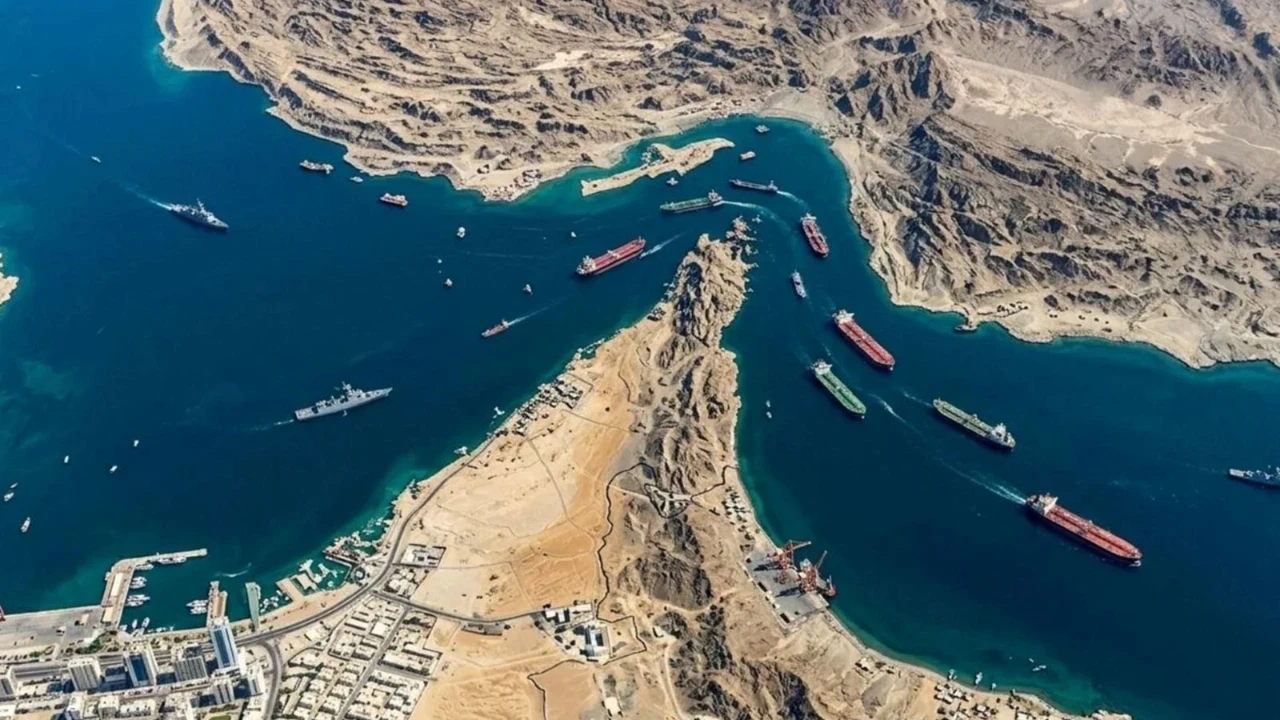
The Strait Of Hormuz At The Center Of Energy Markets
Recent developments in the Middle East and rising geopolitical tensions have once again brought global energy markets into focus. In particular, developments around the Strait of Hormuz are of critical importance for the trade of crude oil and petroleum products.
Since a significant portion of the world's oil trade passes through the Strait of Hormuz, every development in the region is closely monitored by energy markets.
Why Is The Strait Of Hormuz So Important?
The Strait of Hormuz is a strategic passage connecting the Persian Gulf to the Gulf of Oman. A large share of crude oil and energy products exported from Gulf countries reaches international markets through this route.
Therefore, any disruption in the region may:
- Affect oil supply,
- Extend transportation times,
- Increase insurance costs,
- Cause volatility in global energy prices.
Potential Impact On Oil Prices
During periods of heightened geopolitical risk, energy markets generally begin pricing in concerns regarding supply security.
Investors in the oil market closely monitor:
- Potential supply disruptions,
- Transportation risks,
- Logistics costs,
- Regional security developments.
As a result, increased volatility in oil prices is considered likely.
What Does This Mean For The Base Oil Industry?
Higher crude oil prices and rising logistics costs can directly impact the base oil sector.
In particular:
SN150
An important Group I base oil widely used in light industrial oils and hydraulic fluids.
SN500
Commonly preferred for engine oils and heavy-duty applications.
Bright Stock
Plays a critical role in marine lubricants and heavy industrial oils requiring high viscosity.
Group II Base Oils
Widely used in modern engine oils and high-performance lubricant formulations.
Increasing energy and logistics costs may affect both the pricing and supply processes of these products.
Freight And Logistics Costs
In energy markets, not only product prices but also transportation costs play a significant role.
If risks in the region increase:
- Ocean freight costs may rise,
- Insurance premiums may increase,
- Delivery times may become longer,
- Additional supply chain planning may be required.
This situation may be felt more strongly in import-dependent markets.
Assessment For The Turkish Market
Turkey is one of the key markets that relies on international supply networks for energy and base oil products. Therefore, developments in global energy corridors can directly affect local costs and supply processes.
In the coming period, it will be important for industry participants to closely monitor price movements, logistics developments, and global energy markets.
Conclusion
Developments in the Strait of Hormuz are not only relevant to oil markets but also closely affect the base oil and lubricant industries.
Oil prices, freight costs, and changes in supply chains are expected to remain among the industry's key focus areas in the period ahead.
Dream Petroleum continues to closely monitor developments in global energy and base oil markets while providing reliable and sustainable supply solutions to our customers.